
If you are self‑employed run a business work as an independent contractor or receive income but do not have enough tax withheld you may need to make quarterly tax payments throughout the year. Unlike employees who usually have taxes taken out of each paycheck many people, with non‑wage income must pay taxes as they earn money.
Understanding taxes helps you plan ahead manage cash flow and avoid an unexpected tax bill or an underpayment penalty.
In this guide I will explain what estimated taxes are, who may need to pay them when payments are usually due how to estimate what you owe and practical steps you can take to stay organized.
What Are Quarterly Taxes?
Quarterly taxes generally refer to estimated tax payments made during the year toward your expected federal tax liability.
The IRS uses a pay-as-you-go system. That means taxpayers generally pay federal income tax as income is earned rather than waiting until the end of the year. Estimated tax payments can cover income tax as well as self-employment tax and certain other taxes.

Who May Need to Pay Quarterly Taxes?
Not everyone has to make estimated tax payments.
You might need to make these payments if you earn income that doesn’t have federal tax taken out automatically. This includes income from:
- Self-employment
- Freelance or independent-contract work
- Business activities
- Investments
- Rental income
- Interest or dividends
- income that isn’t subject to regular withholding
For individuals the IRS usually says you may need to make estimated tax payments if you expect to owe at least $1,000 after subtracting your withholding and any refundable credits. Also your withholding and credits must be, below an amount set by the IRS. Some taxpayers may have rules that apply to them.
Why Do Quarterly Tax Payments Matter?
Making estimated payments during the year can help you avoid a balance due when you file your tax return.
It can also help you avoid or reduce a penalty when you haven’t paid enough tax during the year. The IRS notes that a penalty can apply when taxpayers don’t pay estimated tax, by the applicable payment deadlines.
For self-employed individuals and business owners estimated payments can also make tax obligations easier to manage because payments are spread throughout the year than concentrated around tax-filing time.
💡 ARITS Financial Insight
Quarterly tax planning isn’t simply about making payments. It’s about estimating your income, reviewing your tax situation, and adjusting when circumstances change.
When Are Quarterly Tax Payments Due?
For taxpayers who use a calendar tax year estimated tax payments usually come in four separate periods.
Payment Period General Due Date:
- January 1 – March 31 April 15
- April 1 – May 31 June 15
- June 1 – August 31 September 15
- September 1 – December 31 January 15 of the year
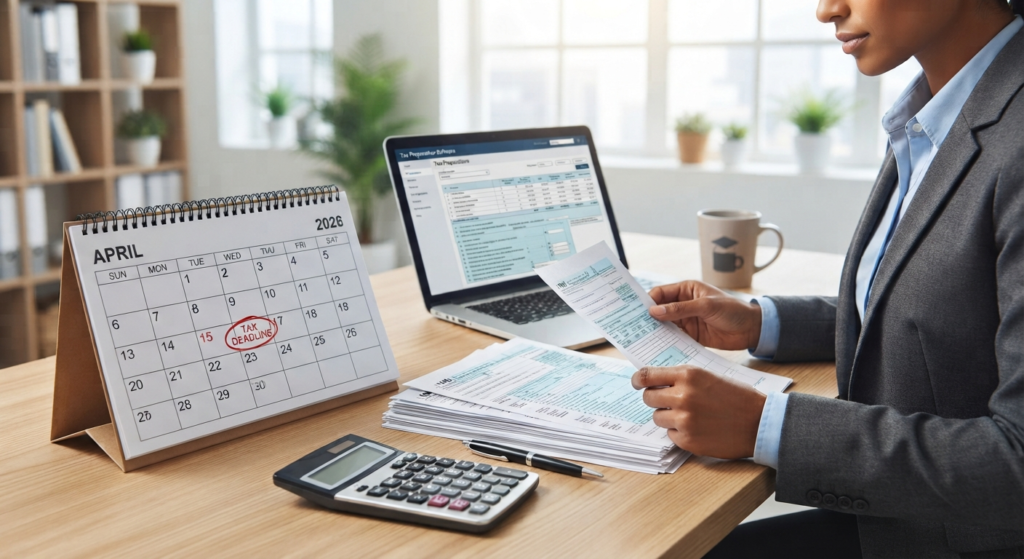
The Internal Revenue Services 2026 guidance provides these dates for 2026 estimated tax payments. The dates are April 15 June 15 September 15 2026 and January 15 2027. If any of these dates falls on a weekend or a legal holiday the payment may be due on the business day. The Internal Revenue Services 2026 guidance provides these dates for 2026 estimated tax payments. The dates are April 15 June 15 September 15 2026 and January 15 2027. If any of these dates falls on a weekend or a legal holiday the payment may be due, on the business day.
How Much Should You Pay?
This is one of the common questions, about quarterly taxes.
People often wonder about taxes and many ask for guidance on how to handle them.
The amount you need to pay depends on your expected income, your deductions, your credits what you have already withheld and other things that change how tax you owe.
The IRS gives you Form 1040‑ES and a worksheet that helps you estimate your payments.
Of simply splitting last year’s tax bill into four equal parts taxpayers should look at whether this year’s income and situation are different.
For example your estimated payments may need to be reconsidered if:
- Your business income increases or decreases significantly
- You start or stop freelance work
- You receive investment income
- Your deductions or credits change
- Your withholding changes
What Happens If Your Income Changes During the Year?
Estimated taxes are not always a simple “set it and forget it” process.
If your income, deductions, credits or other circumstances change you may need to recalculate your estimated taxes.
The IRS explains that changes, in income and other tax factors can require taxpayers to refigure their estimated taxes.
For taxpayers whose income varies significantly throughout the year special methods may be available to calculate required estimated payments accurately.
Quarterly Taxes for Self-Employed and Gig Workers
If you are an individual or a gig worker you often receive money that does not go through a traditional employers payroll system.
Because of that self‑employed individuals and gig workers must plan for both income tax and self‑employment tax before they can figure out their estimated tax duties.
Keeping records of the income and business expenses of self‑employed individuals and gig workers every month of the year can make it easier for you to estimate your tax liability and prepare for future payments.

Simple Ways to Stay Organized
Managing quarterly taxes does not have to be overwhelming; quarterly taxes can be handled with confidence.
Consider these practical habits:
- Track income throughout the year.
- Keep records of eligible expenses.
- Set aside money for expected tax obligations.
- Review estimated tax payments when income changes.
- Keep copies of payment confirmations and tax records.
- Review tax situation, before each payment deadline.
I find that good recordkeeping can make tax planning easier and help you make informed decisions throughout the year.
What If You Miss a Quarterly Tax Payment?
If you miss a payment, for taxes that you were supposed to pay or you pay less than you should you might end up with subject to an underpayment penalty depending on your circumstances.
What happens can vary depending on how much you paid when you made the payment and the details of your taxes.
If you notice that the payments you are making are not going to be enough don’t just pretend it isn’t happening. Look at your situation. Figure out what changes might make sense for the rest of the payments you need to make.
How to Make Estimated Tax Payments
The IRS offers options for taxpayers to make estimated tax payments.
Depending on your circumstances payments can be made electronically. Through other IRS-approved payment methods.
Frequently Asked Questions About Quarterly Taxes
What are quarterly taxes?
Quarterly taxes are usually the estimated payments that you make during the year to cover the tax you expect to owe. Quarterly taxes help you spread out the amount you owe of paying everything at once. Quarterly taxes keep the tax process simple. Avoid big surprises when the final bill comes
Who needs to pay quarterly estimated taxes?
Taxpayers who receive income without withholding might need to make estimated payments.
Taxpayers who are self‑employed freelancers or business owners and taxpayers, with types of investment or other income should think about estimated taxes.
When are quarterly tax payments due?
For people who file taxes for the calendar year the payments that they need to make in advance are usually due on April 15 then on June 15 then on September 15 and finally, on January 15 of the next year.
How do I calculate my quarterly tax payments?
Taxpayers can use the Form 1040-ES and the IRS estimated tax worksheet to help calculate Taxpayers estimated payments.
Can my quarterly tax payment change during the year?
Yes. Changes in income, deductions, credits, withholding or other circumstances might mean you need to recalculate your estimated tax. The way your income changes or the way you deduct things or get credits or how much is taken out of your pay can affect your estimated tax. You might need to figure it out if any of these things change. Any change, in income or deductions or credits or withholding or other situations can mean you have to recalculate your estimated tax.
What happens if I don’t pay enough estimated tax?
I want to let you know that the underpayment penalty could apply depending on your circumstances. The underpayment penalty may also depend on the amount and timing of your payments.
Final Thoughts: Make Quarterly Taxes Part of Your Plan
Quarterly taxes can feel confusing when you first start dealing with them.. Once you understand the basic rules they become much easier to handle.
Keeping track of your income helps you stay on top of what you owe. Making sure your records are organized means you won’t miss details when it comes time to file. Watching your estimated payments ensures you don’t fall behind or overpay. And checking in on your tax situation regularly lets you adjust as needed.
When your income changes a lot or you’re not sure how much you should be paying it’s smart to get help. A professional can look at your situation. Guide you through the right steps. This way tax planning becomes something you can count on not something that catches you off guard.

Ready to Stay Ahead of Your Quarterly Taxes?
Whether you are self-employed running a business or getting income without withholding knowing your estimated tax obligations can help you get ready. It’s important to stay on top of your taxes so you don’t face surprises later. Planning ahead gives you control over your money and keeps you in good standing with the tax system.
Contact ARITS Financial today to discuss your tax planning needs.